
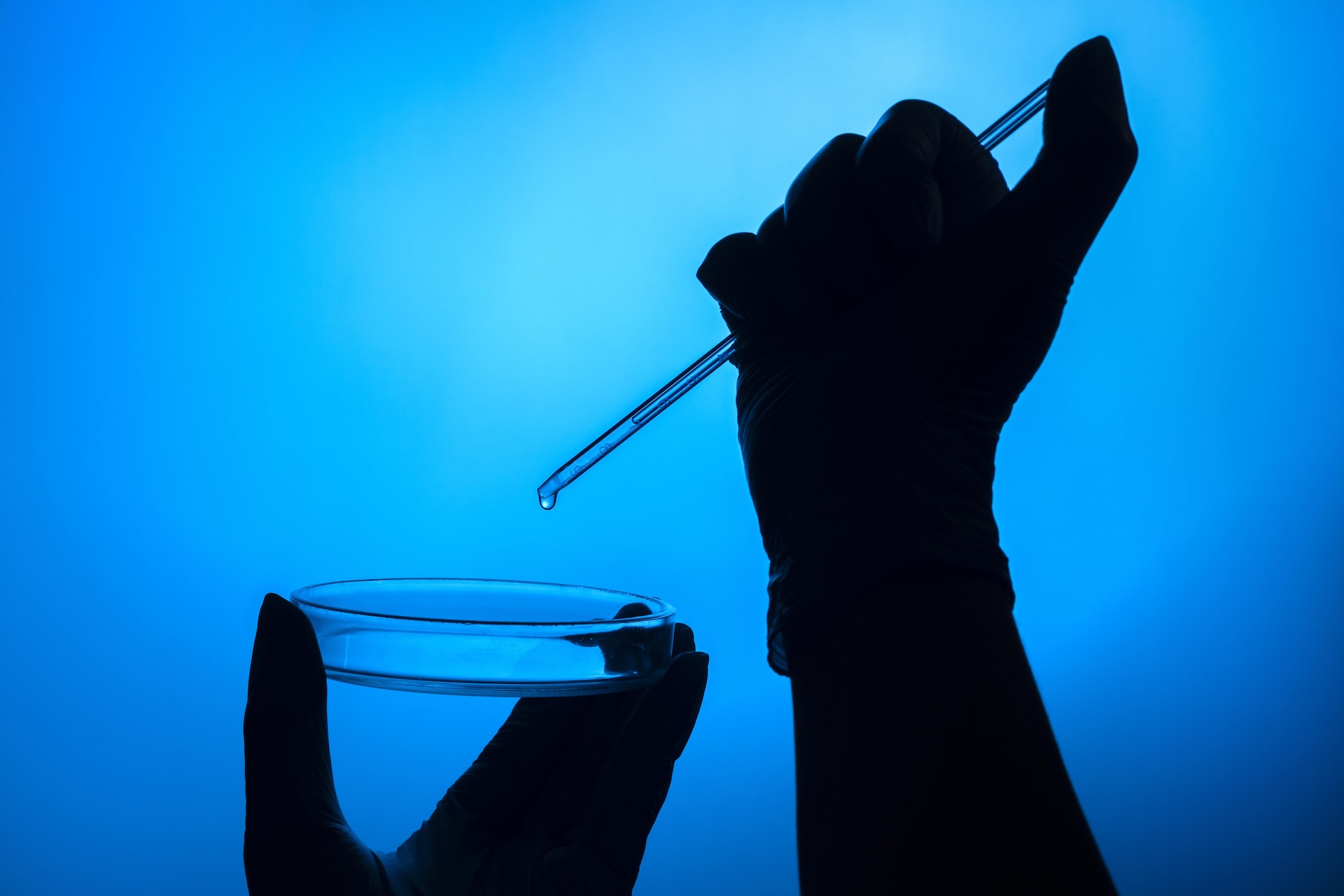
Since the first “test tube baby” was born in 1978, over 13 million people worldwide have been born who were conceived through in vitro fertilization (IVF).[1] For context, Georgia’s current population is about 11 and a half million; the number of people born due to IVF since its inception is equal to the population of Pennsylvania, the fifth most populous state in the Union.[2]
With such a high number of people over the years who were born due to IVF, it is probable that everyone reading this article knows someone who was conceived in this manner. With that personal knowledge comes many emotions. Yet when we take a step back from those we know who are alive today because of IVF, one glaring question must be addressed: is IVF compatible with personhood?
Personhood and the Imago Dei
Georgia Right to Life is a personhood organization, which means that it advocates for the “paramount right to life of all human beings as persons at any stage of development from fertilization to natural death.”[3] In simpler terms, personhood means the human right to have rights, regardless of external circumstances.
Personhood is not to be confused with the imago dei, the “image of God.” All persons are created in the image of God. All persons are desired by Him, and no one is a mistake.[4] A baby conceived within wedlock is created in the image and likeness of God, just as much so as a baby conceived in rape or conceived out of wedlock, conceived with disabilities or conceived through IVF.
It is exactly because all persons have value regardless of how their lives began that tough topics such as IVF must be addressed.
The Babies Not Chosen
When you think of IVF, you probably picture a person you know and love who was conceived in this manner, and your heart warms at the thought. But what if he was never born? What if she was created in vitro and then cryogenically frozen, not allowed to be born and live, but also not allowed to die and be with Jesus?
This chilling image is reality for countless persons, the brothers and sisters of those who were lucky enough to be born.
In natural fertilization which occurs in a mother’s womb, there is usually only one embryo created. But in IVF, large quantities of embryos are created for each couple. Then, they go through a screening process to determine which embryos are most likely to be viable. Sometimes, they are even screened for certain genes, like those that cause disabilities or even physical traits like eye color.[5]
Once the couple selects the embryo or embryos they want to implant, what happens to the remaining embryonic children, made in the image and likeness of God? They may be stored indefinitely, in case the couple wants to begin another pregnancy; be used for experimentation, which will result in their death; be donated for embryo adoption, if they were scored highly enough; be transferred into the mother’s uterus at a time unlikely to successfully implant in a process called “compassionate transfer”; or be discarded.[6]
Persons, Property, or Somewhere in-between
IVF commodifies children and strips them of their rights from the moment of conception.[7] The pro-life movement is quick to say that babies in the womb have a right not to be aborted. But true personhood goes further. Children have a right to be conceived in their mother’s womb. Children have a right not to be experimented on or frozen alive. There is no middle ground.
Davis v. Davis, a 1992 decision by the Tennessee Supreme Court, is a touchstone case of the legal and moral loopholes people must jump through to justify IVF.
Mary Sue and Junior Lewis Davis had created embryos together before getting divorced. Their settlement did not cover what to do with the embryos in the aftermath. Junior Lewis wanted to destroy the embryos, to which his ex-wife objected. The case made its way up to the state’s supreme court, which ultimately sided with Junior Lewis and allowed the embryos to be killed.[8]
Perhaps even more disturbing than the court’s decision was its definition of the embryos in question. Debate ranged over whether the embryos were persons or property, but the Supreme Court of Tennessee took a stance between the two, ruling:
We conclude that preembryos are not, strictly speaking, either “persons” or “property,” but occupy an interim category that entitles them to special respect because of their potential for human life. It follows that any interest that Mary Sue Davis and Junior Davis have in the preembryos in this case is not a true property interest. However, they do have an interest in the nature of ownership, to the extent that they have decision-making authority concerning disposition of the preembryos, within the scope of policy set by law (emphasis added).[9]
Thus, it becomes clear that personhood advocates cannot occupy the same muddled ground as the Tennessee Supreme Court. Either embryos are persons from the moment of fertilization, or they are not. And if they are persons – which both science and Christianity hold to be true – then they have rights from the moment of fertilization, including the paramount right to life.
Now What?
According to a 2024 Gallup Poll survey, only 10% of Americans recognize that IVF is morally wrong. Out of the many topics which Gallup presented in the poll, IVF was the second-most “morally acceptable” practice in the eyes of most Americans, following only birth control. Thus, public opinion and biblical personhood are at odds on this important issue.[10]
This is why the first step to protecting all life is introspection and prayer. Reflect on your own beliefs regarding IVF, and pray about how you can conform them to Christian principles. Pray also in discernment about how God is calling you to address IVF. There is no use condemning those who have made the choice in the past with good intentions to undergo IVF; rather, the Christian community must unite on this issue and work together to end the practice altogether while also discerning what to do with the embryos alive today who remain in frozen stasis.
If you have not already, now is the time to sign the Personhood Amendment Petition which calls for an amendment to Georgia’s constitution that “would recognize the paramount right to life of all human beings as persons at any stage of development from fertilization to natural death.”
And as always, “do not conform yourself to this age, but be transformed by the renewal of your mind, that you may discern what is the will of God, what is good and pleasing and perfect.”[11]
Sources:
[1] IVF Births Since 1978
[2] State Populations
[3] GRTL Personhood Amendment Petition
[4] Genesis 1:27, James 3:9, Psalm 139:14, Ephesians 2:10
[5] Choose Baby’s Eye Color
[6] Fate of Embryos Not Chosen
[7] IVF Testimony
[8] Davis v. Davis Summary
[9] Davis v. Davis Verbiage
[10] John 15:19
[11] Romans 12:2
Build-A-Baby: The Problems with IVF | GRTL
Build-A-Baby | Video
How Arguments that Embryos Are People Pose a Threat to IVF
WHO Infertility Fact Sheet
This article is Part 1 of the three-part Think about Such Things Summer Series. Make sure you are subscribed to GRTL’s newsletter by June 2nd to receive Part 2 straight to your inbox.
Rachel Krause first became involved with GRTL as a high school student, during which time she competed in and ultimately won the 2016 Student Oratory Contest. She attended Franciscan University of Steubenville, majoring in English and Theology. With her strong background in communication, including working with the Image and Likeness magazine and the Quest Catholic radio, Rachel looks forward to continuing to share the pro-personhood message through the GRTL e-newsletter. Mrs. Krause lives in Duluth with her husband and two little boys.