History of the U.S. Constitution and Constitution Day
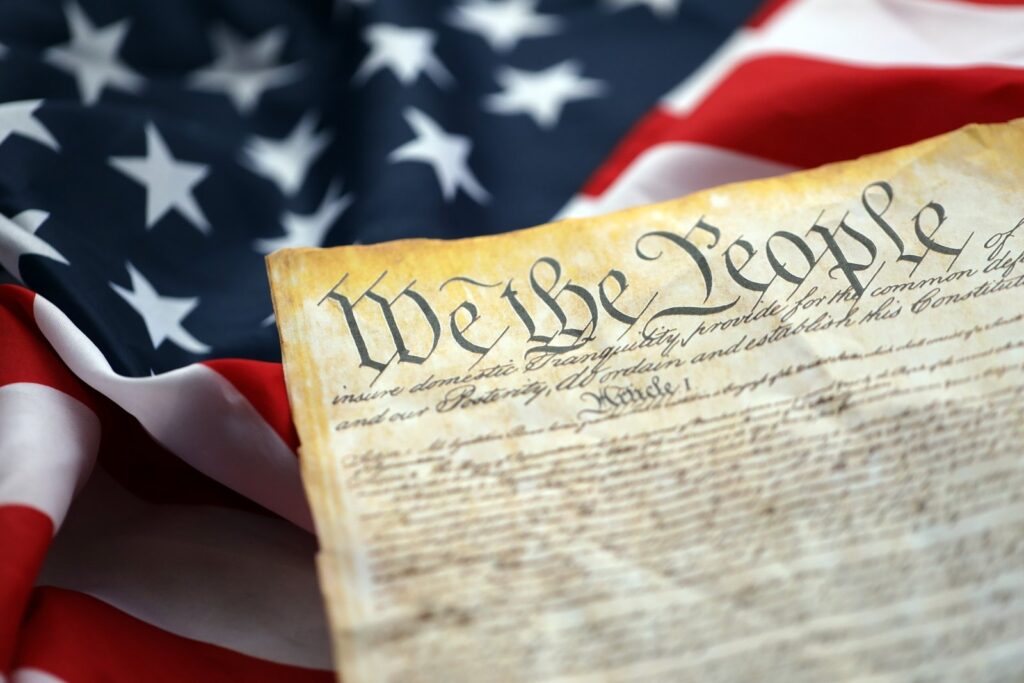
Constitution Day commemorates September 17, 1787, when 39 delegates signed the U.S. Constitution. Under a 2004 federal law, schools, colleges, and educational institutions that receive federal funds are required to hold an educational program about the U.S. Constitution each year on September 17.
Almost Everything You Always Wanted to Know About the U.S. Constitution
Below are key insights into the Constitution’s history, biblical influences, common myths, enduring significance, and lesser-known details.
Key Facts
- Constitution Day is not a federal holiday.
- The U.S. Constitution is 7,591 words long.
- The word “religion” appears twice in the text.
Biblical Influences and Constitutional Principles
Although the U.S. Constitution does not include the words “God,” “Bible,” or “Christianity,” historians and scholars often note the biblical worldview that shaped many of the Framers’ assumptions about human nature, justice, liberty, virtue, and the need for limited government.
- Most Framers were raised in traditional Christian churches, predominantly Protestant, and nearly all were baptized and married within the church.
- The idea of a foundational, written agreement mirrors the Old Testament concept of a covenant.
- In a similar way, the Constitution established a civic agreement among the people to form and sustain a civil government.
- James Madison and other Framers understood that human beings could be tempted to abuse power; therefore, no single person or group should hold absolute control. This idea echoes Isaiah 33:22, which describes God as judge, lawgiver, and king—roles the Framers believed were too dangerous to combine in any one human ruler.
- While the Framers did not write a religious document, the Bible was among the most widely read and quoted books in 18th-century America, influencing many assumptions about morality, justice, liberty, and public virtue.
Common Myths and Realities About the Constitution
Myth: The Constitution guarantees every American citizen the right to vote.
Reality: The original Constitution did not grant universal voting rights. Later amendments—the 15th, 19th, 24th, and 26th—prohibited states from denying the vote based on race, sex, failure to pay a poll tax, or age for citizens 18 and older.
Myth: The First Amendment guarantees free speech; therefore, you can say whatever you want without facing consequences from your employer or private organizations.
Reality: The First Amendment limits government censorship. It does not prevent private companies, social media platforms, private schools, or employers from setting their own speech rules and consequences.
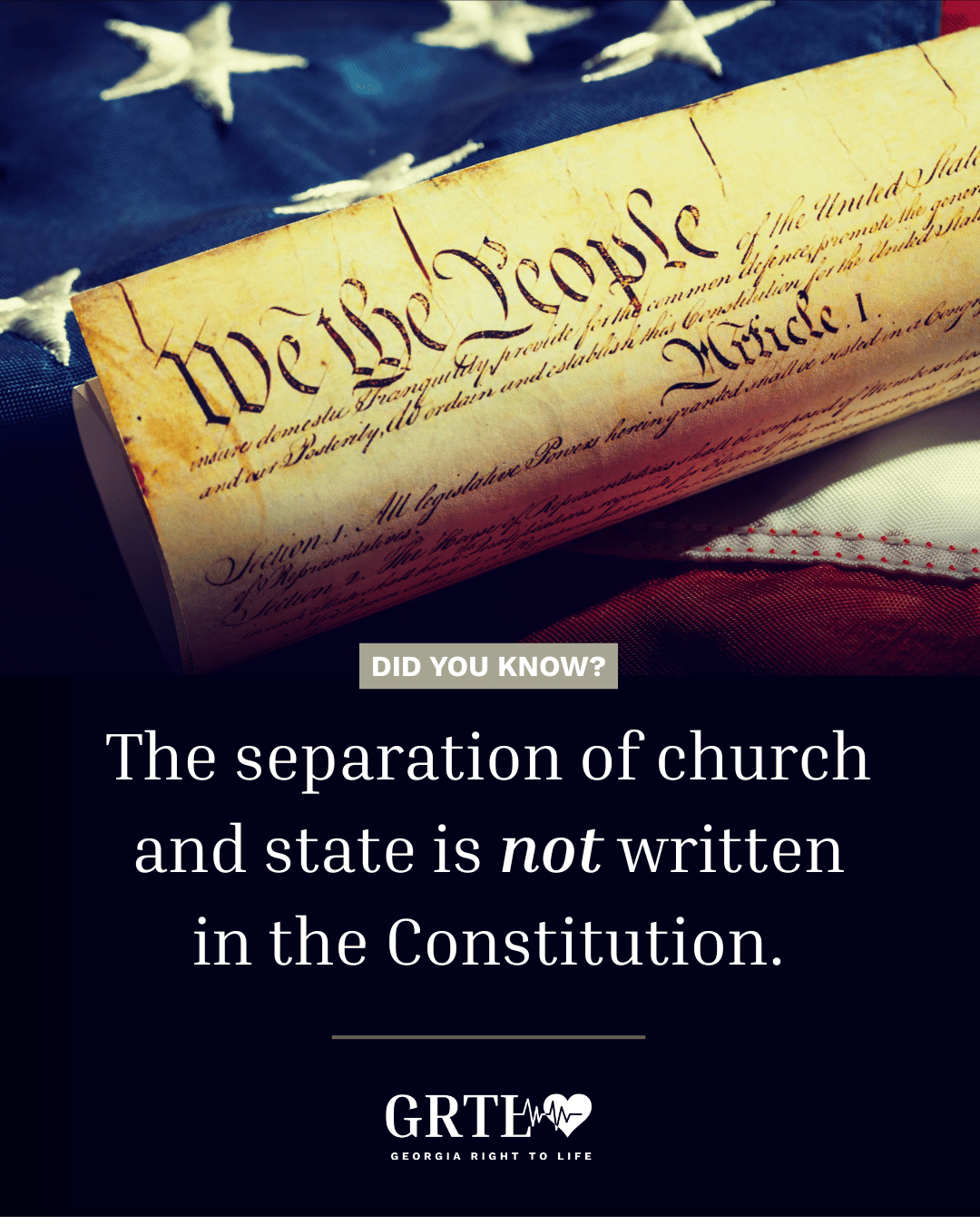
Myth: The separation of church and state is written in the Constitution.
Reality: The separation of church and state refers to the political and legal principle that the government must remain neutral regarding religion—neither establishing a state religion nor interfering with the practice of religious beliefs. The phrase “separation of church and state” is not written in the Constitution.
What Makes the Constitution Special?
The U.S. Constitution is remarkable because it is the world’s longest-surviving written charter of government. Its longevity reflects both the strength of its design and its capacity to endure through generations of national change.
- It is the oldest active codified constitution in the world.
- It created a framework of checks and balances across branches of government and between the federal government and the states.
- Its opening phrase, “We the People,” was a revolutionary departure from historical legal charters that were often grants of rights handed down by kings.
- At age 81, Benjamin Franklin was the oldest delegate at the Constitutional Convention. Suffering from severe gout, he had to be carried to the sessions in a sedan chair. According to reports, tears ran down his face as he was helped to the table to sign the final document on September 17, 1787.
- Jacob Shallus, the clerk who handwrote the final official copy of the U.S. Constitution, was paid $30 for his work. Depending on the economic calculation used, that amount is roughly equivalent to $800 to $1,000 today.
For online resources related to the Constitution, visit: https://constitutioncenter.org/museum/online-museum-experience
Let us pray:
Lord, thank you that the Framers allowed their relationship with you to help shape one of the most important documents in history. We are grateful for their foresight, courage, wisdom, and fortitude. We are deeply thankful, Lord, that this document has stood the test of time. And while it remains vulnerable to being reinterpreted or altered for purposes that dishonor you, we ask that you would guide, direct, and order our steps so that we stand firm on the most important book in history—the Holy Bible. Help us pray fervently for this nation and remember that blessed is the nation whose God is the Lord. God bless America. In Jesus’ name. Amen.
Sources: Biblical Odyssey, The Library of Congress, National Archives, The Federalist Papers, and History.com.
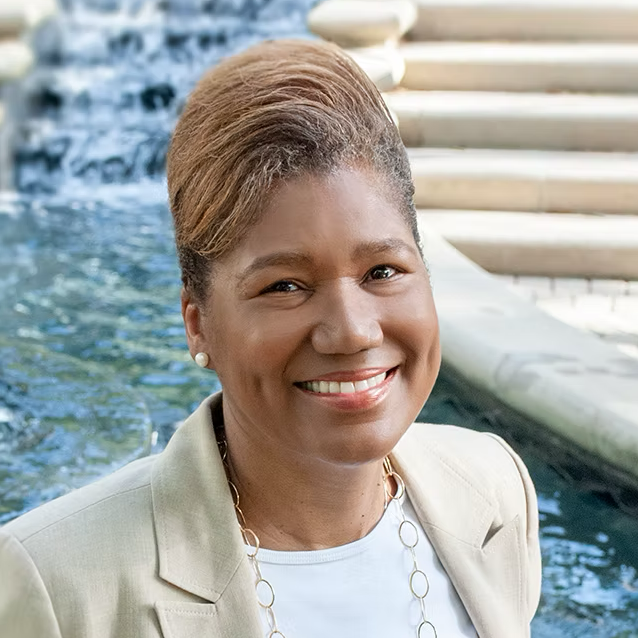
Sheryl R. Sellaway has extensive experience in Public Relations across corporate, agency, and non-profit sectors, focusing on media relations, internal communications, and crisis management. She authored "Praising You Changes Me" and is involved in community service, serving on multiple boards and managing her philanthropic initiative, The Sellaway Christian Fund.