

Snowflakes, Part 1
Embryo Adoption as an Act of Love
It was 2018, and I was only about 30 yards away from the tragedy. Thousands of lives were lost that day. Thousands.
No, I was not in Africa, where Christians are martyred in mass, nor was I in a war zone. I was in Ohio.
This was when I was attending the Bringing America Back to Life conference, in Independence, Ohio.[1] The conference focused on personhood and the protection of human life, but that focus became unexpectedly concrete when the news broke.
A freezer malfunction at a nearby Kent State University science lab had destroyed thousands of frozen embryos. The timing gave me great pause: advocates gathered to defend human life were standing near a place where thousands of persons in the embryonic stage had been lost in an instant.
This incident illustrates the central twofold question this article explores:
- What happens to frozen embryos, and
- How can embryo adoption offer a life-affirming response for families and children in the embryonic stage of life?
Understanding the Human Embryo
Fertilization occurs when an egg cell and sperm cell unite, creating a new human life with a distinct genetic blueprint. Each cell contributes 23 chromosomes. In medical language, the embryo is the preborn child in an early stage of development, commonly described as the first five to eight weeks of pregnancy.
This distinction matters because public conversations about fertility treatment often speak of embryos in clinical or technical terms which are usually dehumanizing, while pro-life ethics revolves around the dignity of the human person, regardless of size, location, dependency, or stage of development.
What Is Embryo Adoption?
Embryo adoption provides a pathway for families to receive embryos that were created through in vitro fertilization and later placed in frozen storage. Rather than remaining indefinitely cryopreserved, these embryos may be donated by their genetic parents and adopted by another family willing to pursue pregnancy through frozen embryo transfer.
In this way, embryo adoption is both an adoption conversation and a medical process. It involves legal, emotional, and practical decisions, but its central aim is simple: to give an already-existing child the opportunity to be welcomed into a family and brought to birth.
History and Scale of Embryo Adoption
In 1997, Nightlight Christian Adoptions[2] established the Snowflakes Embryo Adoption Program to assist families with remaining embryos in frozen storage after the IVF process.[3] The program’s name compares each embryo to a unique frozen snowflake, and Snowflakes has since become one of the best-known embryo adoption programs.
In a January 13, 2025 article for MIT Technology Review, Jessica Hamzelou reported estimates that roughly five million frozen embryos are currently in the United States,[4] with some estimates reaching as high as ten million.
These numbers reveal a quiet but significant ethical crisis. Each embryo represents a unique human life, yet many remain in storage for years while families struggle to decide what should happen next.
What Does It Mean to Adopt an Embryo?
- Embryo adoption parallels newborn adoption in many ways, but it begins before birth.
- The donating family chooses whether to donate anonymously or select an adopting family through an embryo adoption program.
- After the adoption process is finalized, the adopting family works with a reproductive endocrinologist for frozen embryo transfer. If pregnancy results, the mother gives birth to her adopted child.
Benefits of Embryo Adoption
For personhood advocates, embryo adoption is a humane response to children who might otherwise remain frozen indefinitely or be abandoned to die when storage fees are no longer paid. Melissa Moschella, Ph.D., describes the fate of these vulnerable human lives as a tragedy calling for “a humane and compassionate response,” namely, embryo adoption.[5]
Families may also consider embryo adoption because of infertility, concerns about passing on genetic disorders, or a desire to pursue an alternative to creating additional embryos through IVF.
Compared with some forms of domestic adoption, embryo adoption benefits the adoptive mother by allowing her to experience the blessings of pregnancy and childbirth while receiving a child who already exists in the embryonic stage.
Embryo adoption does not erase the moral concerns surrounding IVF or the creation of surplus embryos. Rather, it seeks to respond compassionately to children already created, while encouraging deeper reflection on practices that routinely produce more embryos than families intend to bring to birth.
For couples considering this path, the decision should be made with prayer, wise counsel, medical guidance, and a clear understanding of the responsibilities involved. Embryo adoption is not merely a solution to infertility; it is a commitment to receive and protect a vulnerable human life.
The Ethical Questions related to Embryo Adoption
While the benefits of embryo adoption for both the child in her embryonic stage of development as well as couples who adopt these children to love and care for them are manifest, there are still many ethical complexities arising from the process. Those ethical questions will be explored in part 2 of this article.
This discussion should be approached with compassion toward couples who followed medical guidance and standard IVF practices, even while recognizing the serious ethical questions raised by surplus embryos.
Sources:
[1] Hosted by a state affiliate of National Personhood Alliance, Cleveland Right to Life
[2] Snowflakes Embryo Adoption & Donation
[3] I Am an IVF Survivor: Why Being Pro-IVF is Not Pro-Life | Georgia Right to Life
[4] 3-embryo-adoption.pdf
[5] Ibid.
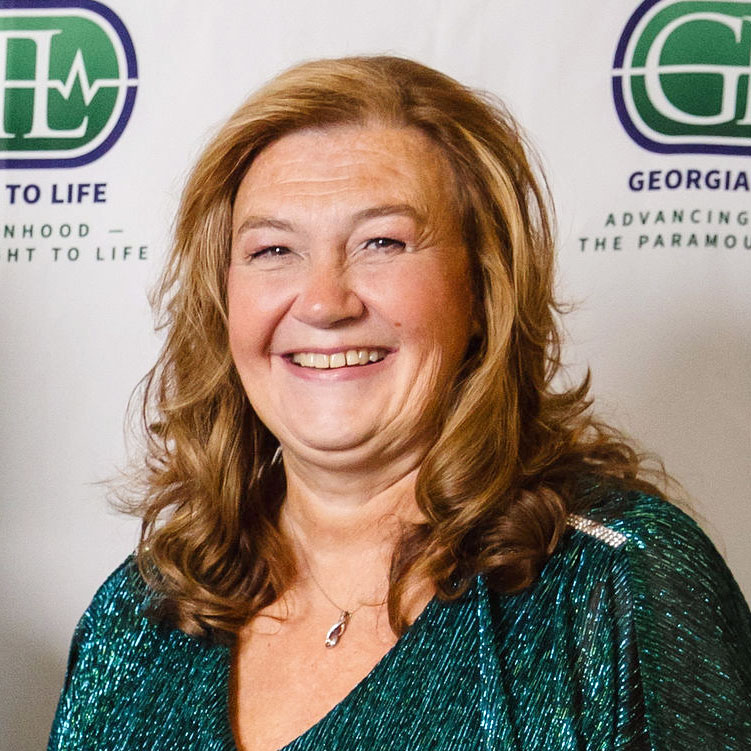
Zemmie Fleck is the Executive Director of Georgia Right to Life.